Overview
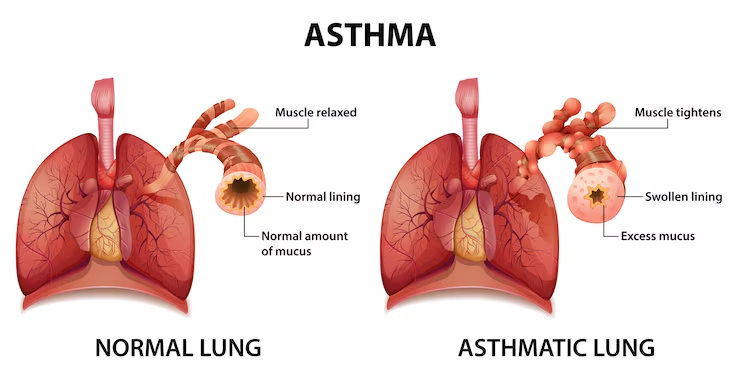
Acute Asthma is a sudden worsening of asthma symptoms caused by inflammation and narrowing of the airways. It can lead to difficulty breathing, wheezing, chest tightness, and severe coughing. Prompt medical evaluation and treatment are essential to relieve symptoms, restore normal breathing, and prevent serious complications.
Common Symptoms
- Shortness of breath
- Wheezing (whistling sound while breathing)
- Persistent coughing
- Chest tightness or discomfort
- Rapid breathing
- Difficulty speaking due to breathlessness
- Increased mucus production
- Reduced oxygen levels in severe cases
Diagnosis & Treatment Process
1. Initial Consultation
A detailed assessment of symptoms, medical history, asthma triggers, and previous asthma episodes is conducted.
2. Diagnostic Assessment
Physical examination, oxygen saturation monitoring, peak flow measurements, spirometry, and other tests may be performed to evaluate the severity of the attack.
3. Personalized Treatment Plan
Treatment may include bronchodilator inhalers, nebulization, corticosteroids, oxygen therapy, and other medications to quickly open the airways and reduce inflammation.
4. Recovery & Follow-Up
Regular follow-up visits help monitor lung function, identify triggers, adjust medications, and prevent future asthma attacks.
Why Choose Us
- Experienced pulmonologists and respiratory specialists
- Advanced respiratory care and monitoring
- Emergency asthma management services
- Personalized treatment and prevention plans
- Comprehensive long-term asthma care
Frequently Asked Questions
What triggers an acute asthma attack?
Common triggers include dust, pollen, smoke, pollution, respiratory infections, pet dander, exercise, and sudden weather changes.
Is acute asthma a medical emergency?
Severe asthma attacks can be life-threatening and require immediate medical attention, especially if breathing becomes difficult.
How is acute asthma treated?
Treatment typically includes inhalers, nebulization, corticosteroids, oxygen therapy, and close monitoring of respiratory function.
Can acute asthma attacks be prevented?
Yes, avoiding triggers, taking prescribed medications regularly, and following an asthma action plan can significantly reduce the risk of attacks.