Overview
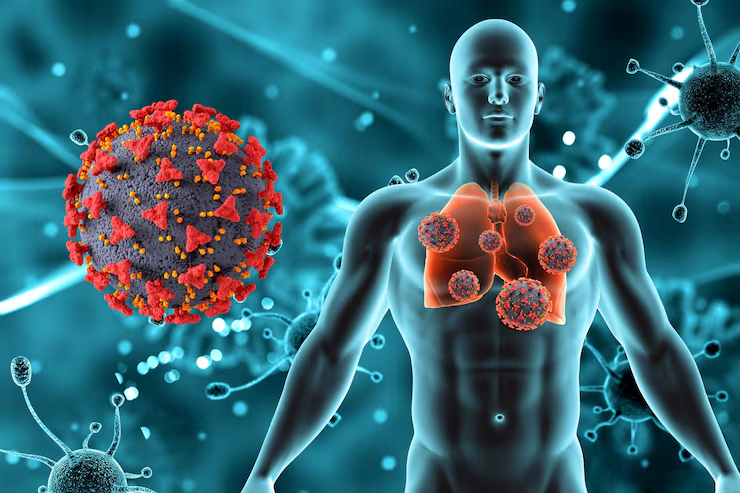
Pneumonia is a lung infection that causes inflammation of the air sacs (alveoli) in one or both lungs. These air sacs may fill with fluid or pus, leading to symptoms such as cough, fever, and difficulty breathing. Pneumonia can be caused by bacteria, viruses, or fungi and requires timely medical attention to prevent complications.
Common Symptoms
- Persistent cough with or without mucus
- Fever and chills
- Shortness of breath
- Chest pain while breathing or coughing
- Fatigue and weakness
- Rapid breathing
- Loss of appetite
- Confusion in older adults
- Low oxygen levels in severe cases
Diagnosis & Treatment Process
1. Initial Consultation
A detailed evaluation of symptoms, medical history, and physical examination is conducted to assess lung health.
2. Diagnostic Assessment
Chest X-rays, blood tests, sputum tests, pulse oximetry, and other investigations may be recommended to confirm the diagnosis.
3. Personalized Treatment Plan
Treatment may include antibiotics, antiviral medications, oxygen therapy, fever management, hydration, and supportive care depending on the cause and severity of pneumonia.
4. Recovery & Follow-Up
Regular follow-up visits help monitor recovery, assess lung function, and prevent complications or recurrence.
Why Choose Us
- Experienced pulmonologists and physicians
- Advanced diagnostic and respiratory care facilities
- Comprehensive treatment for all types of pneumonia
- Personalized care plans and monitoring
- Focus on rapid recovery and prevention of complications
Frequently Asked Questions
What causes pneumonia?
Pneumonia can be caused by bacterial, viral, or fungal infections that affect the lungs.
Is pneumonia contagious?
Some forms of pneumonia caused by viruses and bacteria can spread from person to person through respiratory droplets.
When should I seek medical attention?
You should seek immediate medical care if you experience severe breathing difficulty, high fever, chest pain, or low oxygen levels.
How long does recovery take?
Most patients recover within 1–3 weeks, although recovery may take longer in older adults or those with underlying health conditions.