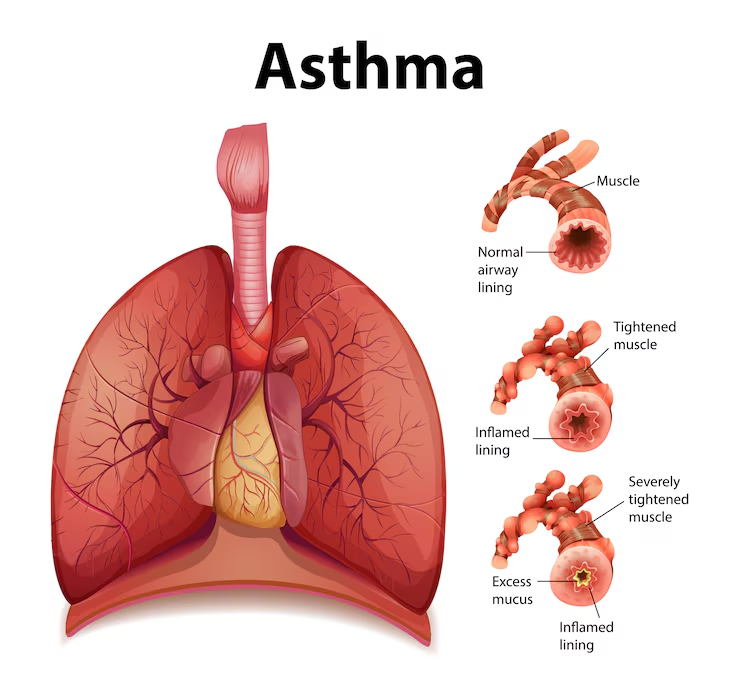
Asthma is a chronic respiratory condition that causes inflammation and narrowing of the airways, making it difficult to breathe. It can be triggered by allergens, respiratory infections, exercise, pollution, or environmental factors. With proper diagnosis and treatment, asthma symptoms can be effectively managed, allowing patients to lead active and healthy lives.
Common Symptoms
- Shortness of breath
- Wheezing (whistling sound while breathing)
- Persistent cough, especially at night or early morning
- Chest tightness or discomfort
- Difficulty breathing during physical activity
- Frequent respiratory infections
- Sudden asthma attacks triggered by allergens or irritants
Diagnosis & Treatment Process
1. Initial Consultation
A detailed evaluation of symptoms, medical history, family history, and potential triggers is conducted.
2. Diagnostic Assessment
Pulmonary function tests (spirometry), peak flow measurements, allergy testing, and other investigations may be recommended.
3. Personalized Treatment Plan
Treatment may include inhalers, bronchodilators, anti-inflammatory medications, allergy management, and lifestyle modifications.
4. Ongoing Monitoring & Follow-Up
Regular follow-up visits help monitor lung function, control symptoms, and adjust treatment as needed.
Why Choose Us
- Experienced respiratory and pulmonary specialists
- Comprehensive asthma evaluation and testing
- Personalized treatment and asthma action plans
- Advanced diagnostic facilities
- Long-term monitoring and preventive care
Frequently Asked Questions
Can asthma be cured?
Asthma is a chronic condition that cannot usually be cured, but it can be effectively managed with proper treatment and lifestyle modifications.
What triggers asthma attacks?
Common triggers include dust, pollen, smoke, pollution, pet dander, cold air, exercise, and respiratory infections.
Are inhalers safe for long-term use?
Yes, inhalers are generally safe when used as prescribed and are one of the most effective ways to manage asthma symptoms.
How can I prevent asthma attacks?
Avoiding triggers, taking medications as prescribed, monitoring symptoms, and attending regular check-ups can help prevent asthma attacks.