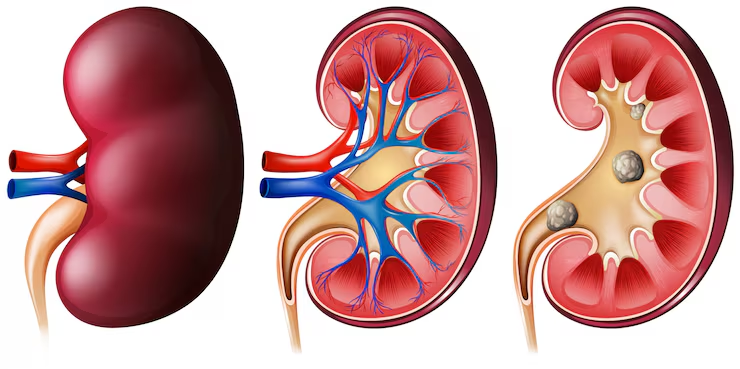
Overview
Stone disease refers to the formation of hard mineral deposits in the kidneys, ureters, bladder, or urinary tract. These stones can cause severe pain, difficulty in urination, and other complications if left untreated. Early diagnosis and appropriate treatment help prevent complications and protect kidney function.
Common Symptoms
- Severe pain in the back, side, or lower abdomen
- Pain or burning sensation during urination
- Blood in the urine
- Frequent urge to urinate
- Nausea and vomiting
- Cloudy or foul-smelling urine
- Difficulty passing urine
- Fever and chills in case of infection
Diagnosis & Treatment Process
1. Initial Consultation
A detailed medical history and physical examination are performed to assess symptoms and identify the possible location of the stone.
2. Diagnostic Assessment
Ultrasound, X-rays, CT scans, and urine or blood tests are conducted to determine the size, type, and location of the stone.
3. Personalized Treatment Plan
Treatment may include medications, increased fluid intake, ESWL (shock wave therapy), ureteroscopy, laser treatment, or surgical removal depending on the stone size and severity.
4. Recovery & Follow-Up
Regular follow-up visits help monitor recovery, prevent recurrence, and provide guidance on dietary and lifestyle modifications.
Why Choose Us
- Experienced urologists and surgical specialists
- Advanced diagnostic and stone removal technologies
- Minimally invasive treatment options
- Personalized treatment and prevention plans
- Comprehensive pre- and post-treatment care
Frequently Asked Questions
Can kidney stones pass on their own?
Small stones often pass naturally with adequate hydration and medication, while larger stones may require medical intervention.
What causes urinary stones?
Common causes include dehydration, dietary factors, genetic predisposition, obesity, and certain medical conditions.
Is stone removal surgery painful?
Modern minimally invasive techniques significantly reduce pain and recovery time compared to traditional surgery.
How can I prevent stones from recurring?
Staying hydrated, maintaining a balanced diet, and following your doctor's recommendations can help reduce the risk of recurrence.