Overview
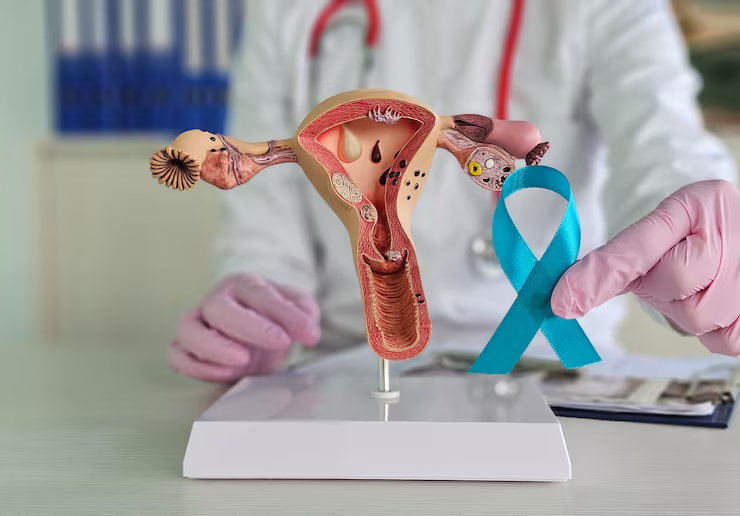
Gynecologic Cancer refers to cancers that affect the female reproductive system, including the ovaries, uterus, cervix, vagina, and vulva. Early detection and timely treatment are crucial for improving outcomes and preserving overall health. Comprehensive cancer care involves accurate diagnosis, personalized treatment planning, and ongoing support throughout the treatment journey.
Common Symptoms
- Abnormal vaginal bleeding
- Pelvic pain or pressure
- Persistent bloating or abdominal swelling
- Unexplained weight loss
- Changes in bowel or bladder habits
- Pain during intercourse
- Unusual vaginal discharge
- Fatigue and weakness
Diagnosis & Treatment Process
1. Initial Consultation
A detailed evaluation of symptoms, medical history, family history, and risk factors is conducted.
2. Diagnostic Assessment
Pelvic examination, Pap smear, HPV testing, ultrasound, CT scan, MRI, biopsy, and blood tests may be recommended to confirm the diagnosis.
3. Personalized Treatment Plan
Treatment options may include surgery, chemotherapy, radiation therapy, targeted therapy, immunotherapy, or a combination of treatments based on the type and stage of cancer.
4. Recovery & Follow-Up
Regular follow-up visits, imaging studies, and supportive care help monitor recovery, manage side effects, and detect recurrence at an early stage.
Why Choose Us
- Experienced gynecologic oncologists and cancer specialists
- Advanced diagnostic and treatment facilities
- Multidisciplinary cancer care approach
- Personalized treatment plans
- Comprehensive support and follow-up care
Frequently Asked Questions
What are the common types of gynecologic cancer?
The most common types include cervical cancer, ovarian cancer, uterine (endometrial) cancer, vaginal cancer, and vulvar cancer.
Can gynecologic cancers be detected early?
Yes, regular gynecological check-ups, Pap smears, HPV screening, and awareness of symptoms can help with early detection.
What treatment options are available?
Treatment may include surgery, chemotherapy, radiation therapy, targeted therapy, immunotherapy, or a combination of these approaches.
Can gynecologic cancer be cured?
Many gynecologic cancers can be successfully treated, especially when diagnosed at an early stage.