Overview
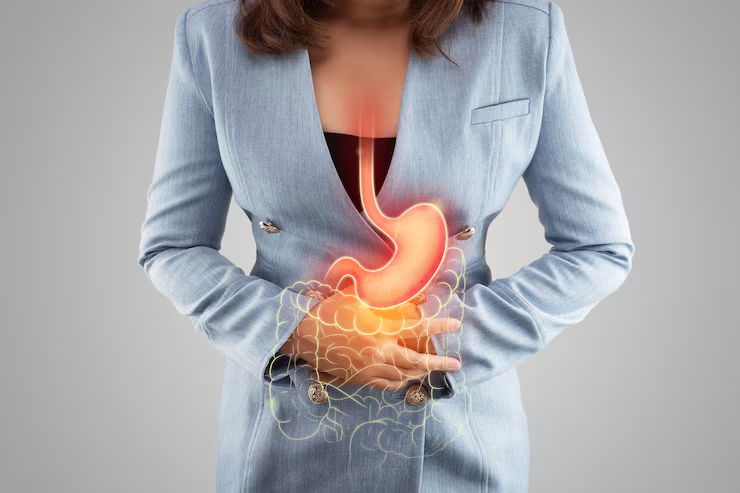
Gastrointestinal (Gastro) disorders affect the digestive system, including the stomach, intestines, esophagus, liver, pancreas, and gallbladder. These conditions can cause discomfort, digestive problems, and impact overall health. Early diagnosis and appropriate treatment help manage symptoms, prevent complications, and improve digestive well-being.
Common Symptoms
- Abdominal pain or discomfort
- Acid reflux and heartburn
- Nausea and vomiting
- Bloating and gas
- Diarrhea or constipation
- Difficulty swallowing
- Loss of appetite
- Unexplained weight loss
- Blood in stool
Diagnosis & Treatment Process
1. Initial Consultation
A detailed assessment of symptoms, dietary habits, medical history, and lifestyle factors is conducted.
2. Diagnostic Assessment
Blood tests, stool tests, ultrasound, endoscopy, colonoscopy, CT scans, and other investigations may be recommended to identify the underlying condition.
3. Personalized Treatment Plan
Treatment may include medications, dietary modifications, lifestyle changes, endoscopic procedures, or surgical intervention depending on the diagnosis.
4. Recovery & Follow-Up
Regular follow-up visits help monitor progress, manage symptoms, and prevent recurrence or complications.
Why Choose Us
- Experienced gastroenterologists and digestive health specialists
- Advanced diagnostic and endoscopic facilities
- Personalized treatment plans
- Comprehensive digestive care
- Focus on long-term digestive health and wellness
Frequently Asked Questions
What are common gastrointestinal disorders?
Common conditions include acid reflux (GERD), gastritis, peptic ulcers, irritable bowel syndrome (IBS), inflammatory bowel disease (IBD), liver disorders, and digestive infections.
When should I consult a gastro specialist?
You should seek medical advice if you experience persistent abdominal pain, acid reflux, changes in bowel habits, difficulty swallowing, or unexplained weight loss.
Are gastrointestinal disorders treatable?
Most gastrointestinal conditions can be effectively managed with medications, lifestyle modifications, and specialized treatments.
What tests are used to diagnose digestive disorders?
Common diagnostic tests include blood tests, stool analysis, ultrasound, endoscopy, colonoscopy, and imaging studies.