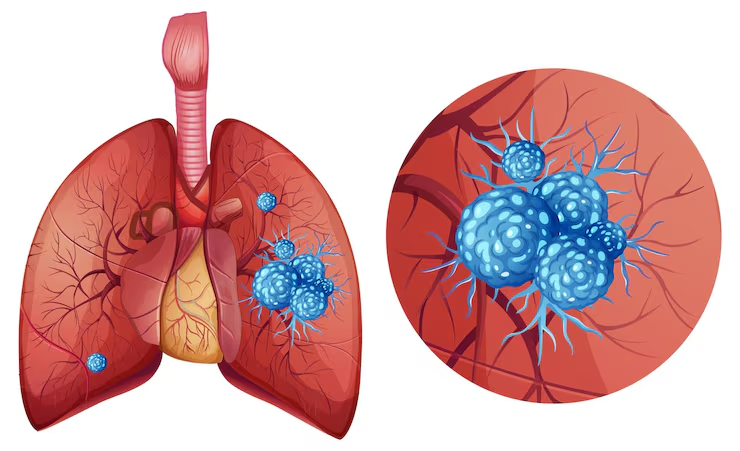
Overview
Lung cancer is a serious condition in which abnormal cells grow uncontrollably in the lungs. It is one of the most common types of cancer and can affect breathing and overall health. Early detection and timely treatment significantly improve outcomes and quality of life.
Common Symptoms
- Persistent cough that does not go away
- Coughing up blood
- Shortness of breath
- Chest pain
- Wheezing
- Unexplained weight loss
- Fatigue and weakness
- Recurrent chest infections
- Hoarseness of voice
Diagnosis & Treatment Process
1. Initial Consultation
A detailed evaluation of symptoms, medical history, smoking history, and risk factors is conducted.
2. Diagnostic Assessment
Chest X-rays, CT scans, PET scans, bronchoscopy, biopsy, blood tests, and other investigations may be performed to confirm the diagnosis and determine the stage of cancer.
3. Personalized Treatment Plan
Treatment options may include surgery, chemotherapy, radiation therapy, targeted therapy, immunotherapy, or a combination of treatments based on the type and stage of cancer.
4. Recovery & Follow-Up
Regular follow-up visits, imaging studies, and supportive care help monitor recovery, manage side effects, and detect any recurrence at an early stage.
Why Choose Us
- Experienced pulmonologists and oncology specialists
- Advanced cancer diagnostic facilities
- Multidisciplinary treatment approach
- Personalized treatment plans
- Comprehensive support and follow-up care
Frequently Asked Questions
What are the major risk factors for lung cancer?
Smoking is the leading risk factor. Other factors include exposure to secondhand smoke, air pollution, asbestos, radon gas, and family history.
Can lung cancer be cured?
The possibility of cure depends on the type and stage of cancer. Early-stage lung cancer has a better chance of successful treatment.
How is lung cancer diagnosed?
Diagnosis typically involves imaging tests such as CT scans and confirmation through biopsy and laboratory analysis.
What treatment options are available?
Treatment may include surgery, chemotherapy, radiation therapy, targeted therapy, immunotherapy, or a combination of these approaches.