Overview
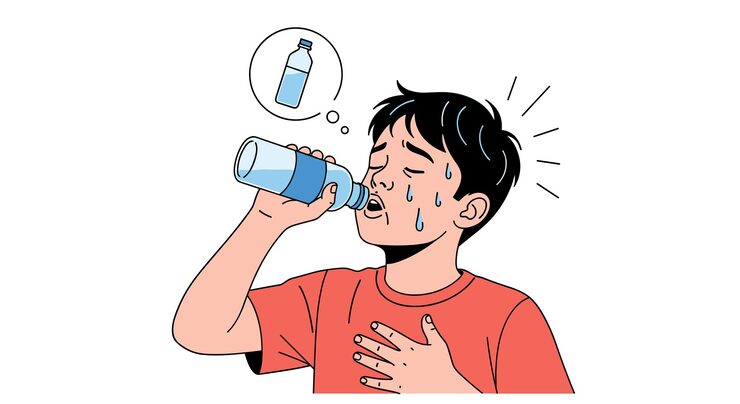
Dehydration occurs when the body loses more fluids than it takes in, leading to an imbalance of water and essential electrolytes. It can result from excessive sweating, vomiting, diarrhea, fever, inadequate fluid intake, or prolonged exposure to heat. Prompt diagnosis and treatment are important to prevent serious health complications.
Common Symptoms
- Excessive thirst
- Dry mouth and lips
- Fatigue and weakness
- Dizziness or lightheadedness
- Dark-colored urine
- Reduced urine output
- Headache
- Rapid heartbeat
- Confusion or irritability in severe cases
Diagnosis & Treatment Process
1. Initial Consultation
A detailed assessment of symptoms, medical history, fluid intake, and possible causes of dehydration is conducted.
2. Diagnostic Assessment
Physical examination, blood tests, urine analysis, and electrolyte evaluation may be recommended to determine the severity of dehydration.
3. Personalized Treatment Plan
Treatment may include oral rehydration therapy, intravenous (IV) fluids, electrolyte replacement, and management of the underlying cause.
4. Recovery & Prevention Guidance
Follow-up care includes hydration counseling, dietary recommendations, and preventive measures to avoid future episodes.
Why Choose Us
- Experienced physicians and emergency care specialists
- Prompt diagnosis and treatment
- Advanced hydration and electrolyte management
- Personalized care for all age groups
- Focus on rapid recovery and prevention
Frequently Asked Questions
What causes dehydration?
Common causes include excessive sweating, diarrhea, vomiting, fever, inadequate fluid intake, and prolonged exposure to hot weather.
When should I seek medical attention?
Medical care is recommended if dehydration is severe, causes confusion, persistent vomiting, inability to drink fluids, or significantly reduced urination.
How is dehydration treated?
Treatment depends on severity and may include oral fluids, electrolyte solutions, or intravenous (IV) fluid therapy.
Can dehydration be prevented?
Yes, staying adequately hydrated, especially during hot weather, illness, or physical activity, can help prevent dehydration.