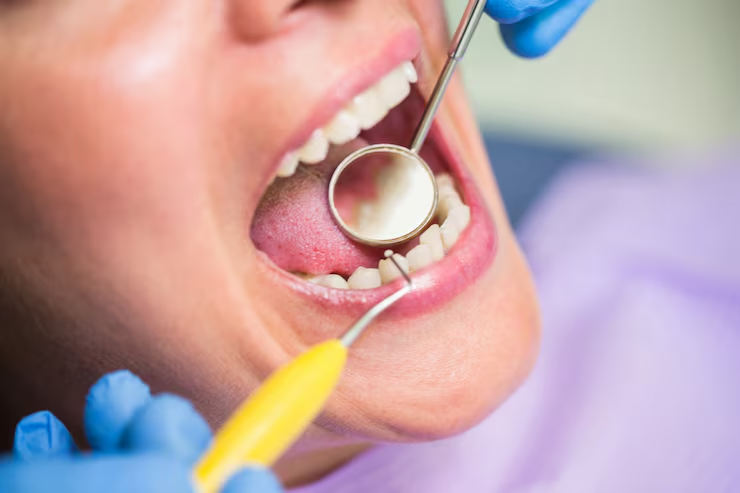
Overview
Oral Cancer is a type of cancer that develops in the tissues of the mouth, tongue, lips, gums, inner cheeks, floor of the mouth, or throat. It often begins as a persistent sore or abnormal growth and can spread if left untreated. Early diagnosis and timely treatment significantly improve outcomes and quality of life.
Common Symptoms
- Persistent mouth sores that do not heal
- Red or white patches inside the mouth
- Lump or thickening in the cheek or mouth
- Difficulty chewing or swallowing
- Persistent mouth pain
- Loose teeth without a clear cause
- Jaw swelling or stiffness
- Hoarseness or persistent sore throat
- Unexplained weight loss
Diagnosis & Treatment Process
1. Initial Consultation
A detailed evaluation of symptoms, medical history, tobacco or alcohol use, and risk factors is conducted.
2. Diagnostic Assessment
Oral examination, biopsy, imaging studies such as CT scan, MRI, PET scan, and blood tests may be recommended to confirm the diagnosis and determine the stage of cancer.
3. Personalized Treatment Plan
Treatment options may include surgery, radiation therapy, chemotherapy, targeted therapy, or a combination of treatments depending on the type and stage of cancer.
4. Recovery & Follow-Up
Regular follow-up visits, rehabilitation support, nutritional guidance, and monitoring help ensure recovery and detect recurrence at an early stage.
Why Choose Us
- Experienced oral cancer and oncology specialists
- Advanced cancer diagnostic facilities
- Multidisciplinary treatment approach
- Personalized treatment plans
- Comprehensive rehabilitation and follow-up care
Frequently Asked Questions
What are the common causes of oral cancer?
The major risk factors include tobacco use, smoking, excessive alcohol consumption, HPV infection, prolonged sun exposure to the lips, and poor oral hygiene.
What are the early signs of oral cancer?
Persistent mouth ulcers, red or white patches, lumps, difficulty swallowing, and unexplained mouth pain are common early signs.
Can oral cancer be cured?
Yes, oral cancer can often be successfully treated, especially when diagnosed at an early stage.
How is oral cancer diagnosed?
Diagnosis is typically confirmed through a biopsy along with imaging studies to determine the extent of the disease.