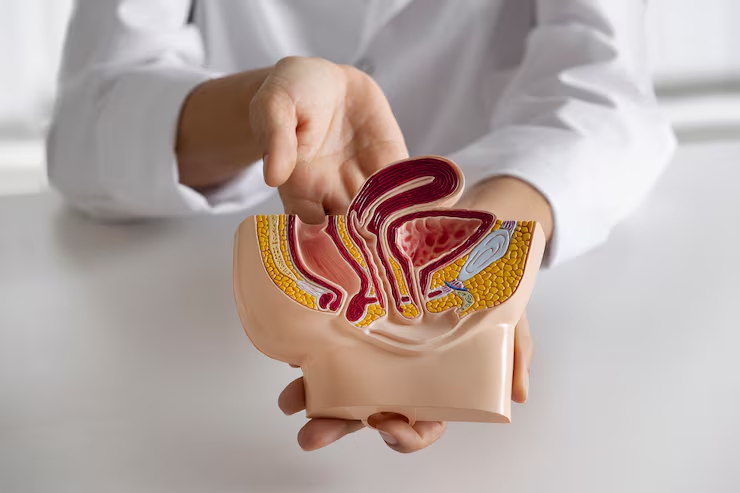
Overview
A fistula is an abnormal tunnel-like connection between two body parts, most commonly developing between the anal canal and the skin around the anus (anal fistula). It usually occurs due to an infection or abscess and can cause persistent pain, swelling, and discharge. Early diagnosis and treatment are important to prevent complications and recurrence.
Common Symptoms
- Persistent pain around the anal area
- Swelling and redness near the anus
- Pus or blood discharge from an opening near the anus
- Irritation and itching around the affected area
- Pain during bowel movements
- Recurrent anal abscesses
- Fever in cases of infection
Diagnosis & Treatment Process
1. Initial Consultation
A detailed medical history and physical examination are performed to assess symptoms and identify the fistula tract.
2. Diagnostic Assessment
Investigations such as anoscopy, MRI, ultrasound, or other imaging studies may be recommended to determine the extent of the fistula.
3. Personalized Treatment Plan
Treatment options may include fistulotomy, laser fistula treatment, seton placement, or other advanced surgical procedures depending on the type and complexity of the fistula.
4. Recovery & Follow-Up
Regular follow-up visits ensure proper healing, monitor recovery, and reduce the risk of recurrence.
Why Choose Us
- Experienced colorectal and general surgeons
- Advanced diagnostic and treatment facilities
- Minimally invasive and laser treatment options
- Personalized care and treatment planning
- Comprehensive post-operative support
Frequently Asked Questions
Can a fistula heal on its own?
Most anal fistulas do not heal without medical or surgical treatment and may worsen over time if left untreated.
What causes a fistula?
Fistulas commonly develop due to anal abscesses, infections, inflammatory bowel disease, or previous surgical procedures.
Is fistula surgery painful?
Modern surgical and laser techniques are designed to minimize discomfort and promote faster recovery.
How long does recovery take after fistula treatment?
Recovery varies depending on the procedure performed, but most patients can resume normal activities within a few days to a few weeks.