Overview
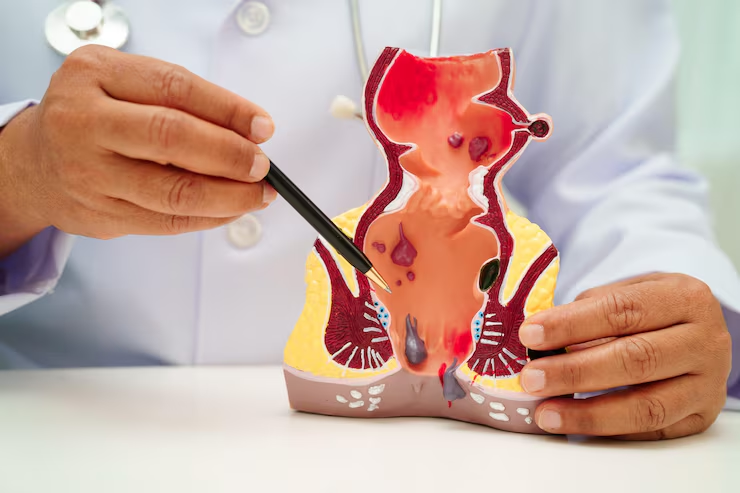
An anal fissure is a small tear or crack in the lining of the anus that can cause significant pain and bleeding during bowel movements. It is commonly associated with constipation, hard stools, or prolonged straining. Early diagnosis and treatment can help relieve symptoms, promote healing, and prevent recurrence.
Common Symptoms
- Sharp pain during or after bowel movements
- Bright red blood on the stool or toilet paper
- Burning sensation around the anal area
- Itching and irritation near the anus
- Visible crack or tear around the anal opening
- Discomfort while sitting
- Constipation due to fear of painful bowel movements
Diagnosis & Treatment Process
1. Initial Consultation
A detailed medical history and physical examination are conducted to assess symptoms and identify the fissure.
2. Diagnostic Assessment
The affected area is examined, and additional tests may be recommended if underlying conditions are suspected.
3. Personalized Treatment Plan
Treatment may include dietary modifications, medications, sitz baths, stool softeners, or minimally invasive surgical procedures for chronic fissures.
4. Recovery & Follow-Up
Regular follow-up appointments help monitor healing, manage symptoms, and prevent recurrence through lifestyle and dietary guidance.
Why Choose Us
- Experienced general and colorectal surgeons
- Advanced treatment options for acute and chronic fissures
- Personalized care and treatment planning
- Minimally invasive surgical procedures when required
- Comprehensive follow-up and recovery support
Frequently Asked Questions
Can an anal fissure heal on its own?
Many acute fissures heal with proper diet, hydration, and medical treatment. Chronic fissures may require additional procedures.
What causes an anal fissure?
Common causes include constipation, passing hard stools, prolonged straining, chronic diarrhea, and trauma to the anal canal.
Is fissure treatment painful?
Most treatments are designed to relieve pain and promote healing. Modern procedures are minimally invasive and offer faster recovery.
How long does it take for a fissure to heal?
Acute fissures often heal within a few weeks, while chronic fissures may require longer treatment and follow-up care.