Overview
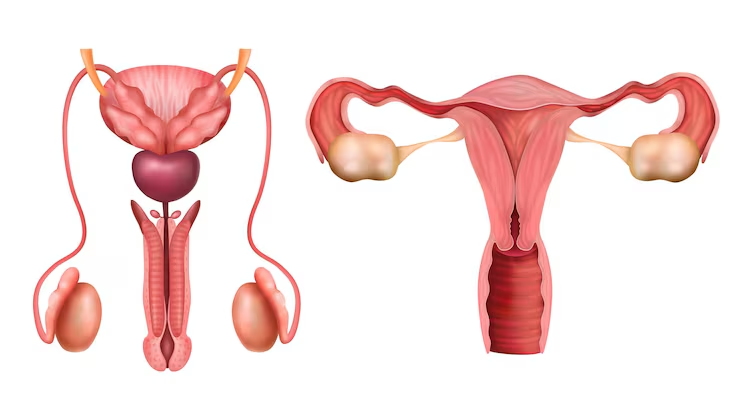
Genital and Reproductive Surgery focuses on the diagnosis and treatment of conditions affecting the male reproductive organs and genital system. These procedures help address congenital abnormalities, infections, injuries, fertility-related concerns, and other urological conditions, improving both reproductive health and overall quality of life.
Common Conditions Treated
- Hydrocele
- Varicocele
- Undescended testis
- Phimosis
- Male infertility-related conditions
- Epididymal cysts
- Testicular disorders
- Genital trauma and injuries
- Congenital abnormalities of the reproductive system
Diagnosis & Treatment Process
1. Initial Consultation
A comprehensive evaluation of symptoms, medical history, and reproductive health concerns is conducted.
2. Diagnostic Assessment
Physical examination, ultrasound, semen analysis, hormonal testing, and other specialized investigations may be recommended.
3. Surgical Treatment Plan
Based on the diagnosis, treatment may involve minimally invasive procedures, microsurgery, laparoscopic surgery, or reconstructive surgery.
4. Recovery & Follow-Up
Post-operative care, monitoring, and follow-up consultations help ensure proper healing and optimal reproductive health outcomes.
Why Choose Us
- Experienced genitourinary and reproductive surgeons
- Advanced minimally invasive surgical techniques
- Comprehensive fertility and reproductive care
- Personalized treatment plans
- Focus on preserving reproductive function and overall well-being
Frequently Asked Questions
When is reproductive surgery recommended?
Surgery may be recommended for conditions such as varicocele, hydrocele, undescended testis, phimosis, fertility-related disorders, or structural abnormalities.
Can reproductive surgery improve fertility?
Certain procedures, such as varicocele repair, may improve fertility outcomes depending on the underlying condition.
Are these procedures minimally invasive?
Many genital and reproductive surgeries can be performed using minimally invasive or microsurgical techniques, allowing for faster recovery.
How long does recovery take?
Recovery depends on the procedure performed, but most patients can return to routine activities within a few days to several weeks.